Lower back pain is something nearly everyone encounters—around eight out of 10 adults will experience it at some point in their lives, according to NY Sports and Spinal Physical Therapy . The ache can arrive suddenly after lifting something awkwardly, or build gradually over years of poor posture. Either way, it’s frustrating to feel sidelined by a body that doesn’t cooperate.
Most cases of low back pain are what clinicians call “nonspecific”—meaning no single structural problem like a fracture or tumor shows up on scans. Instead, muscle or ligament strain, a bulging disc, or everyday wear and tear are likely at play. The good news: for many, discomfort eases with simple steps you can take at home. What follows isn’t a substitute for medical advice, but a set of strategies that people find helpful while their body heals.
Before You Start: Understanding Lower Back Pain
It helps to know what you’re dealing with. The lumbar region—the five vertebrae just above the tailbone—absorbs a lot of force whether you’re sitting, standing, or moving. When muscles spasm or a disc presses on a nerve, pain can range from a dull ache to sharp, shooting sensations that travel down a leg. Common triggers include strain from heavy lifting, sudden twisting, or simply sitting hunched over a desk for hours. Conditions like osteoporosis or a herniated disc can also contribute, though they’re less frequent.
The typical timeline offers reassurance: low back pain usually improves within several days and often resolves within a week or two, notes Advocate Health Care . Self-care—rest, gentle movement, and over-the-counter options—can support that recovery. Still, if pain lingers past two weeks or starts to interfere with daily tasks, it’s time to check in with a healthcare provider. This approach is about managing symptoms and giving your body room to heal, not about ignoring signs that something more serious may be going on.
Step 1: Choose the Right Over-the-Counter Pain Reliever
When your lower back hurts, reaching for a medication at the pharmacy is a common first move. But not all pain relievers work the same way. The key distinction sits between NSAIDs (nonsteroidal anti-inflammatory drugs) and acetaminophen. NSAIDs—including ibuprofen, found in Advil and Motrin, and naproxen, the active ingredient in Aleve—target inflammation directly. They reduce the swelling that can press on nerves and cause pain. Acetaminophen (Tylenol) relieves pain, but it doesn’t calm inflammation, as neurosurgeryone.com explains.
That difference may matter for back pain. The same source points out that Tylenol likely won’t provide the same amount of relief as an NSAID would, because so much low back discomfort is tied to inflammation. For many, ibuprofen or naproxen becomes the go-to during an acute flare-up. Still, individual responses vary, and some people can’t take NSAIDs due to stomach sensitivity or other conditions. Always follow the label instructions, and if in doubt, a pharmacist or doctor can help you pick what’s safest for your situation.
Step 2: Apply Ice or Heat Therapy
Temperature can be a quiet, effective tool. For a fresh injury—say you wrenched your back moving furniture—ice often works best in the first couple of days. Cold constricts blood vessels, which helps calm inflammation and numbs the area. Later, or for chronic stiffness that feels worse in the morning, heat tends to be more comforting. Wet heat, like a warm shower or a damp heating pad, relaxes tight muscles and encourages blood flow.
You don’t have to pick a side. Some people alternate: 15–20 minutes of ice, then the same with heat, a few times a day. Others stick with whichever gives them the most relief. The only hard rule is timing—apply either for about 20 minutes at a stretch, up to several times daily, until the pain lessens. Protect your skin by wrapping ice packs or heating pads in a thin cloth. It’s a simple ritual, but one that can make the next few hours feel more manageable.
Step 3: Gentle Stretches and Core-Strengthening Moves
Movement sounds counterintuitive when your back aches, but staying completely still for days can make things worse. The right kind of motion—gentle, controlled, within a pain-free range—can ease stiffness and help your spine feel less fragile. Stop immediately if any stretch increases pain or causes a new discomfort; that’s your body’s signal to back off.
Knee-to-chest stretches and pelvic tilts are two places to start. Lying on your back, slowly pull one knee toward your chest and hold for 15–30 seconds, breathing deeply. Pelvic tilts involve flattening your lower back against the floor by tightening your abdominal muscles. Over time, adding core-strengthening exercises like partial crunches or bridges can give the spine more muscular support, potentially reducing strain. NY Sports and Spinal Physical Therapy describes professional methods—soft tissue manipulation, joint mobilization, and electrical stimulation—that may be available if home approaches aren’t enough. Consistency matters, but so does patience. Relief often comes gradually, not overnight.
Step 4: Adjust Your Posture and Daily Routine
Small changes in how you sit, stand, and sleep can take pressure off your lower back throughout the day. None of these habits will magically erase pain, but together they can lower the total load your spine carries.
Improve Your Sitting and Standing Posture
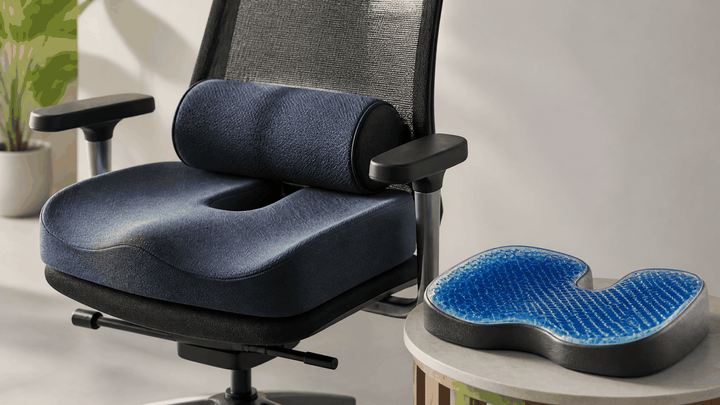
If you spend hours at a desk, look at your setup. Sit with back support, keep your feet flat on the floor, and take frequent breaks to stand and walk around—every 30 minutes, even a minute helps. When standing, distribute your weight evenly across both feet, shoulder-width apart. This simple shift keep you from leaning to one side and overloading a single hip or spinal segment.
Use a Supportive Pillow for Sleep
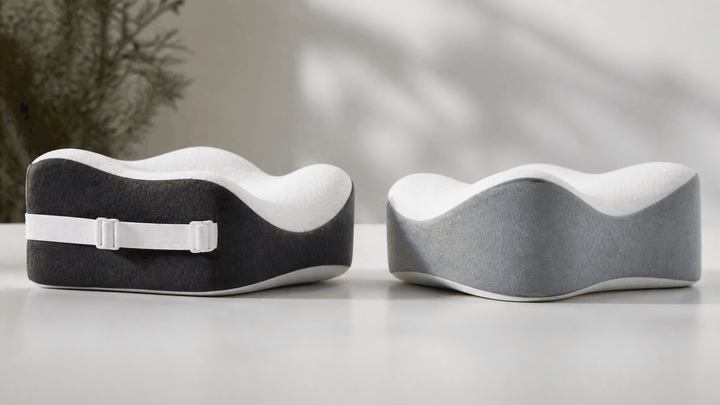
Nighttime alignment can be just as important. If you sleep on your back, tuck a pillow under your knees to maintain the natural curve of your lower spine. Side sleepers often find relief by placing a pillow between their knees to keep the hips level. A supportive pillow—one that holds its shape—can reduce the morning stiffness that Tonya, a patient at NY Sports and Spinal Physical Therapy, described as her worst symptom. You don’t need a specialty product, but a pillow that helps your spine rest in a neutral position may leave you less achy come daylight.
Try a Back Massager for Muscle Relief
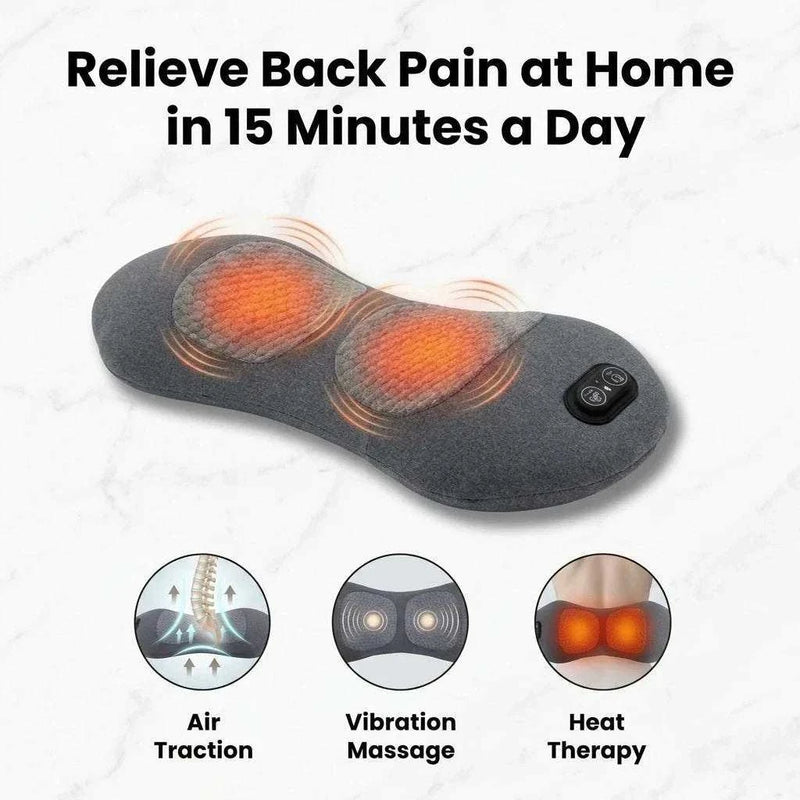
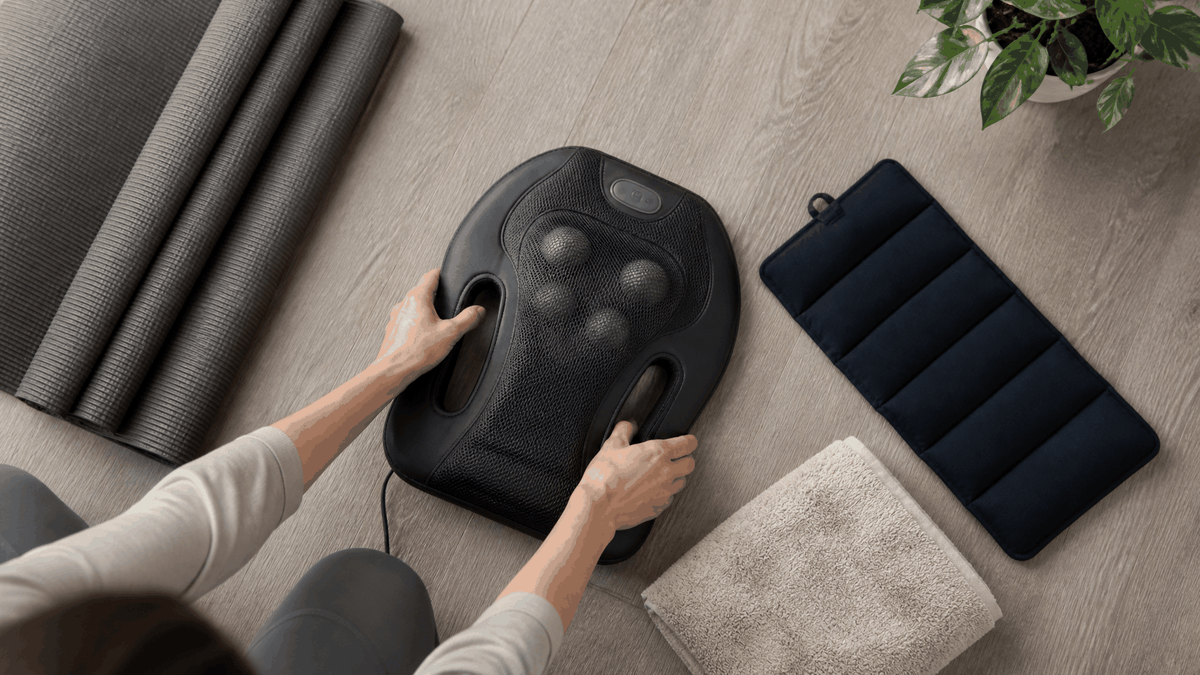
When muscles knot up, a targeted tool can offer some temporary release. The Jarixo 3-in-1 Back Massager is a handheld device designed to reach the lower back. Use it gently on tense areas, moving slowly and stopping if any motion causes sharp pain. It’s a comfort aid, not a medical treatment, so it works best alongside other self-care steps rather than in place of them. For many, a few minutes of vibration on a tight spot can make the difference between a distracted afternoon and one where you can focus on something else.
When to Seek Professional Care (and What to Avoid)
Most back pain fades within a couple of weeks, but some signals call for a quicker response. If your pain worsens despite rest, lingers past two weeks, or starts interfering with basic tasks, reach out to your healthcare provider. A few symptoms demand immediate attention—they aren’t common, but they’re important to recognize.
Red-Flag Symptoms That Need Immediate Attention
Seek care right away if you lose control of your bladder or bowels, feel numbness or weakness in one or both legs, or experience severe pain after a fall or accident. These can point to compression of the spinal cord or nerve roots, and waiting isn’t worth the risk. neurosurgeryone.com also notes that routine imaging like X-rays or MRIs is often not needed for acute, nonspecific low back pain—many insurance plans expect six weeks of conservative treatment (NSAIDs and physical therapy) before they’ll cover scans.
What to Avoid Until You’ve Seen a Doctor
Dr. Jonathan Citow, a neurosurgeon quoted by Advocate Health Care, suggests caution with chiropractic adjustments to the back or neck if you haven’t had diagnostic imaging first. The concern: manipulating a spine without knowing whether a fracture or major disc herniation exists could worsen an injury. You’re also better off avoiding high-impact activities, heavy lifting, or any motion that triggers a sharp increase in pain. And while OTC medications can buy you relief, relying on them for weeks without a real improvement is a sign you need a professional’s eyes on the problem.